Signs and Symptoms of High Cholesterol
High cholesterol is a major risk factor in heart disease, which kills close to 460,000 Americans yearly. Cholesterol is a fat-like substance that your body's cells need to function properly, and we are often told that there are both good and bad cholesterols. The good cholesterol is commonly referred to as High Density Lipoprotein (HDL), while the bad cholesterol is referred to as Low Density Lipoprotein (LDL). Having high levels of LDL is undesirable since it can build up on the walls of the arteries causing plaque formation. A clot that forms in the region of this plaque can block the flow of blood to the heart causing a heart attack, to the brain causing stroke, or to the lungs resulting in pulmonary embolism. All of these conditions can be fatal. On the other hand, HDL functions by picking up cholesterol from the blood flow and taking it back to the liver where it is disposed, which is beneficial.
There are usually no signs or symptoms of high blood cholesterol. As a result, many people don't know that their cholesterol level is too high. The best thing that you can do is to determine a regular screening schedule with your doctor based on your risk factors for high cholesterol. This screening process typically involves a blood test with a "lipid profile" to measure the levels of HDL and LDL in your bloodstream. Most healthy adults who are not at high risk should have their cholesterol tested every 5 years, starting at age 35 for men and at age 45 for women. However, if you have a family history of high cholesterol or heart disease, it is recommended that you begin screening in your early twenties.
Causes of High Cholesterol
In most cases, diet and exercise are major factors that can affect the HDL and LDL levels in your body. For example, regularly eating extremely rich or fried foods such as butter, cream, cakes, pastries, cheese, meat, and eggs can significantly increase your bad cholesterol levels. Genetics can also play a significant role in determining whether you are at risk for high cholesterol. Nevertheless, there are some simple lifestyle adjustments that can be made that may help you keep your cholesterol levels under control:
- Lower your saturated fat intake to 7% or less of your total daily calories and your dietary cholesterol to less than 300 mg per day. Your total fat intake can be up to 30% of total calories, as long as most of it is unsaturated fat.
- Eat at least 5 servings of fruits and vegetables each day.
- Eat 2 to 3 servings (113 to 175 g) of baked or boiled fish per week.
- Eat more soluble fibre (fruit, dry beans and peas, cereal grains).
- Try to exercise 3 to 4 times per week, including some cardiovascular exercise. Losing even 2.5 to 4.5 kg can help increase your HDL while lowering your LDL levels.
- Quit smoking. Smoking increases the risk of heart attack and stroke, even in people with low cholesterol.
Home Remedies and Natural Treatments for High Cholesterol
Artichoke Leaf
It has been found that the extract of artichoke leaf (Cynara scolymnus) can limit the production of cholesterol in the human body. Artichokes also have a compound called cynarin, which is thought to raise the production of bile in the liver and hastens the flow of bile from the gallbladder, both of which may increase the excretion of cholesterol. Studies have shown that 1,800 mg of artichoke extract per day for six weeks can lower total cholesterol by 18.5% and lower LDL cholesterol by 22.9%. Moreover, no adverse effects were found to be associated with artichoke use.
Olive Oil
Olive oil lowers LDL, especially when it replaces saturated fat in the diet. It is not surprising that people from countries where olive oil is used regularly appear to be at a lower risk for heart disease. Studies have shown that people who consumed 25 milliliters (mL) - about 2 tablespoons - of virgin olive oil daily for 1 week showed less oxidation of LDL cholesterol and higher levels of antioxidant compounds, particularly phenols, in the blood.
Cinnamon
Cinnamon is another wonderful ingredient that is known to help lower LDL cholesterol. Usually half a teaspoon per day will usually be sufficient. It makes a nice light sweetener for coffee or tea, or you can sprinkle it onto your cereal each morning.
Garlic
Garlic is available in many forms such as a whole food, in powder as a spice, and as a supplement. Eating garlic is proven to help lower cholesterol levels in the body. This is due to the ability of Garlic to act as a blood thinner which may reduce other risk factors for heart disease. Doctors of natural medicine typically suggest eating one whole clove of raw garlic daily. People who do not like the strong, wild odor of garlic can take 900 mg of garlic powder from capsules, or a tincture of 2-4 ml three times daily.
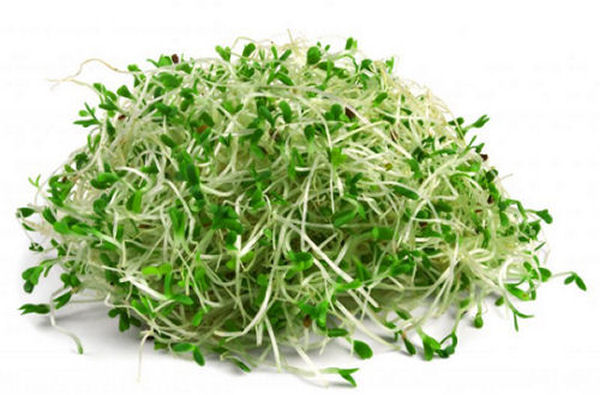
Alfalfa
Alfalfa leaves contain substances called saponins, which block absorption of cholesterol and prevent the formation of atherosclerotic plaques.
Both alfalfa sprouts and leaf preparations help lower blood cholesterol levels.
The saponins in alfalfa bind to cholesterol and prevent its absorption.
Alfalfa has also been studied for its ability to reduce atherosclerosis, or plaque buildup, on the insides of artery walls.
A simple remedy for high cholesterol is to a nourishing alfalfa tea.
To make this herbal tea, infuse one tablespoon of alfalfa leaves per cup of boiling water and steep for 15 minutes.
You may drink several cups a day.
Add lemongrass, mint, honey to improve the flavor.
Oatmeal
Numerous studies have concluded that eating oatmeal can reduce serum cholesterol. Oatmeal's high content of soluble fiber is the suspected reason. Researchers theorize that digested fiber's sticky, gluey texture is the key to its cholesterol lowering properties. It is believed that cholesterol in the intestines sticks to the digested fiber and is then carried harmlessly through the digestive tract, where it is excreted in the feces via the large intestines.
@R.K Gulati, We have detailed information on the causes, symptoms, and natural remedies for Diabetes, High Blood Pressure, and Migraine on this website. Please follow the links below to learn about natural remedies to treat these conditions.
Diabetes - http://www.homeremediesweb.com/diabetes_home_remedy.php
High Blood Presure -
http://www.homeremediesweb.com/high_blood_pressure_home_remedy.php
Migraine - http://www.homeremediesweb.com/migraine_home_remedy.php
Hope it helps!
I am 64 and suffering from migraine, high blood pressure, diabetes and thyroid. I'm taking 100 mg Thyronorm. My lipid profile cholesterol is at 211, triglyceride 249, HDL 51, LDL 110, VLDL 50 and chol/hdl ratio is 4.14. Please advise what can help me.
Hi, I have high cholesterol - total level is 280 and LDL is 188. So please advise some home remedies. I'm on medication called Statins. I'm 38 and found out about it only two weeks ago.
Hi,
My age is 30, I have high cholesterol levels as per report serum cholesterol 224 and serum triglycerides 309. Please advise,
Thanks!
My cholesterol level is 240. I will use some medicines from last one month. I will also try to get it under control by yoga or playing football and morning walk.
I am 49 yrs suffering from diebeties & bp. My TGl level is 300 How can i controlled
Hi guys, Just wanted to share my experience with you guys. Half a teaspoon of organic Cinnamon powder or crushed cinnamon 1st thing in morning everyday for about month and a half have helped lower my cholesterol levels. I won't recommend longer term use of Cinnamon because of its active ingredient, Coumarin that has some side effects when used in larger amounts for longer periods of time. Give it a try! It might help you too! Good luck!
@Gyanendra Kumar Singh, I found that regular exercise and drinking 1 teaspoon Apple Cider Vinegar twice every day has helped me. I know Thyroid makes it hard to lose weight. But I have noticed that less sugar and less bread along with exercise and Apple Cider Vinegar helped me. I hope it helps you too. Good luck!
dear SIR / MADAM, MY AGE IS 27 YEAR AND MY BODY WEIGHT IS 88KG AND Suffering from thyroid since last two years and taking thyronorm 100mg on daily basis in the morning ...please advise me how can reduce my body weight,,...
best regard ,
gyanendra kumar singh
Highly useful and helpful. Kindly give tamil equivalent to leaves.