
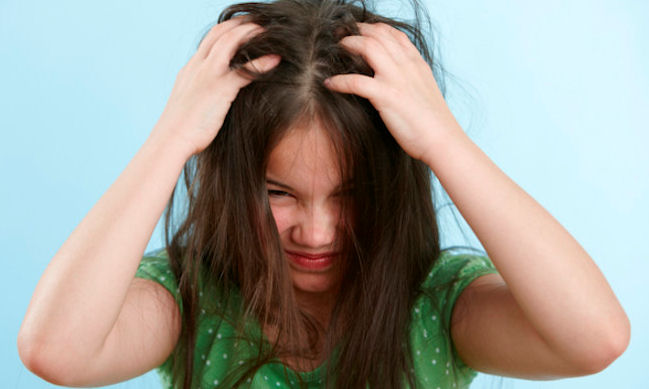
Signs and Symptoms of Head Lice
Head lice are wingless insects that live on the human scalp and feed off of human blood. They are different from fleas (which often infect pets) in that they spend their entire life on a host. Related species of lice can also infect other parts of the body. For example, body lice often live on clothing, while pubic lice mainly live on hair in the pubic regions. An infestation of lice is also often referred to as pediculosis.
Head lice develop in the following phases:
- Head Lice Eggs (Nits): These are firmly attached to the hair shaft, and are difficult to see (they can easily be mistaken for dandruff). They are oval shaped and usually yellow to white.
- Nymphs: After about a week, a nit will hatch into nymphs which are young head lice. At this stage they begin feeding on blood from the scalp.
- Adults: After 7 days, a nymph matures into an adult, which is about the size of a sesame seed with a greyish-white color. The adult lifespan is about 30 days.
The most common symptom of lice infestation is frequent itching, which occurs as a result of a lice’s saliva entering holes in the scalp when they feed. Note that excessive scratching of the head can result in sores, which may become infected, so it is best to get treatment as quickly as possible. Although a louse bites into the skin to feed, the reaction to the bite is difficult to see between the hairs. However, bites can often be seen on the neck of individuals with long hair.
Causes of Head Lice
Head lice are usually spread through direct head-to-head contact with an infested person, but they can also be spread by sharing combs or towels. Children are often the most affected by head lice, particularly those between the ages of 3 and 10. Additionally, females often get head lice more than males, possibly due to having longer hair. Pets are typically not affected by human head lice.
Home Remedies and Natural Treatments for Head Lice
Use Tea Tree Oil Shampoo
Shampoos containing a small amount (5%) of Tea Tree Oil are often very effective at getting rid of head lice. An excellent shampoo is Nature’s Gate – Tea Tree Calming Shampoo
Vinegar
A quick home remedy for head lice is to create a rinse using an equal part of water mixed with an equal part of kitchen vinegar. One-half cup usually does the trick. After you’ve created this mixture, do the following:
- Take a shower and leave shampoo in your hair for 5 to 10 minutes. Tea Tree Oil shampoos (described above) work well.
- Rinse the shampoo.
- Apply the vinegar rinse to your hair and rub it into your whole scalp.
- Leave the rinse in your hair for about 2 minutes, then rinse it out.
- Repeat this twice per day (morning and evening) until the head lice disappear.
The active ingredients in the shampoo kill head lice as well as penetrate into the eggs that they hatch. The vinegar then helps to dissolve the dead lice and wash their remains away.
Eliminate Head Lice with a Nit Comb
Although shampooing is quite effective at getting rid of head lice, many nits usually remain firmly attached to hair strands. Therefore, after shampooing and drying your hair, it is good to invest in a quality nit comb to remove the pesky nits.
A recommended nit-comb is the Nit Free Terminator Lice Comb
A natural peppermint oil repellent such as Nit Free Mint Spray
Shaving your Head to Remove Head Lice
One of the easiest and most effective ways to get rid of head lice is to simply shave your head, although many women would prefer alternative methods. Note that a short haircut usually isn’t sufficient, since head lice typically cling to hair only a quarter-inch from the scalp.
Leave a Reply