
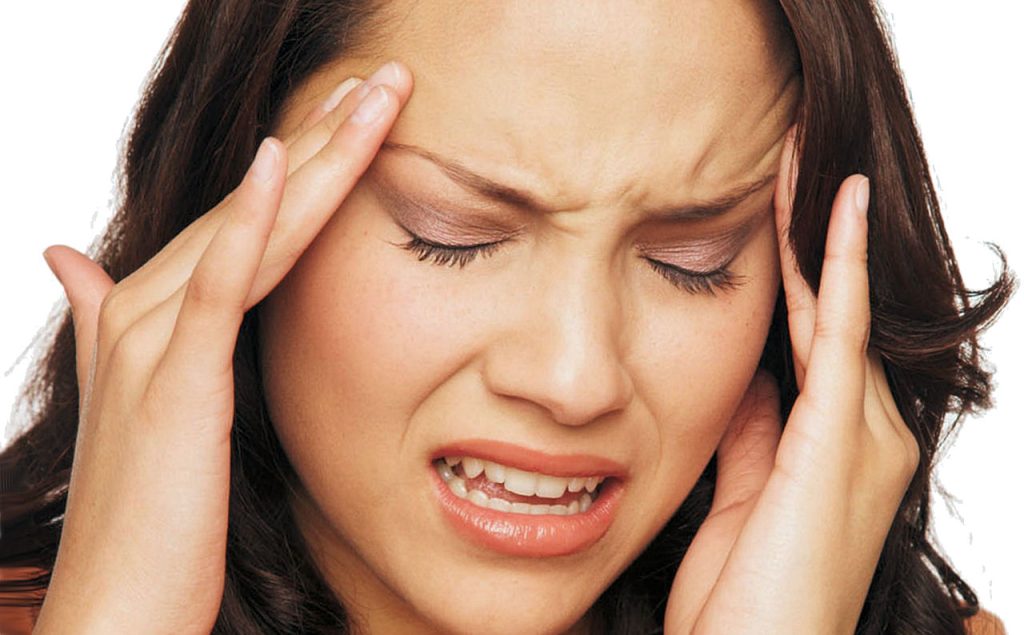
Signs and Symptoms of Headache
A headache is something that almost everyone experiences at least once in their lifetime. Anyone who has never had one should consider themselves quite lucky, since that is very rare. Approximately 90 percent of all headaches occur as a result of muscle contraction and are commonly referred to as tension headaches. Additionally, for many people these headaches are chronic and occur regularly. A smaller percentage of people suffer from another form of headaches that are commonly referred to as Migraines. The main difference between tension headaches and migraines is that migraines often consist of a throbbing pain on one side of the head, accompanied by other symptoms such as dizziness, blurred vision, nausea, or vomiting. On the other hand, tension headaches often consist of a sense of tightness all over the head, somewhat as if a rubber band was wrapped around it. Unfortunately it is hard to diagnose which type of headache someone is experiencing, since the symptoms are quite similar. Nevertheless, many home remedies for both migraines and tension headaches are also very similar.
Note that while most headaches are often due to muscle contractions, there are other more serious conditions which have headaches as a symptom. For example, headaches can indicate a life threatening health condition such as a tumor, stroke, hypertension, or other serious issues. Therefore, if you experience severe headaches over and over again, you should consult your doctor.
Causes of Headache
Tension headaches can be triggered for a variety of reasons. Some of the more common causes are:
- Caffeine: this causes blood vessels to dilate, which increases tension around the head. A recommendation is to try to limit your coffee intake to at most 2 cups per day.
- Tyramine: this is a compound that is suspected of causing headaches in some people. Foods that are high in tyramine include chocolate, smoked/cured meat, doughnuts, breads, sugar, yogurt, caffeine, and red wine.
- Chewing Gum: the repetitive chewing motion can lead to tension headaches since it causes your muscles to tighten.
- Bright lights: this can lead to squinting and eyestrain, which then leads to a tension headache. Try to wear sunglasses when outdoors, and take regular breaks if you spend a lot of time in front of a computer screen.
- Stress: this is a leading cause of both tension headaches and migraines. Try to reduce stress levels using deep breating or Yoga.
Home Remedies and Natural Treatments for Headaches
Headache Relief with a Glass of Water
As crazy as it may sound, drinking one or two large glasses of water may help relieve a headache. One of the leading causes of headaches is dehydration, so starting with a glass of cold water may be one of the easiest ways to start relieving pain.
Acupressure
Some simple acupressure techniques have been found to be effective for both tension and migraine headaches. One of the best places to apply pressure is the meaty part of the web between the thumb and index finger. Squeeze this area with the thumb and index finger from your other hand, using a rhythmic pumping or massaging action. There should apply enough pressure so that you feel a slight twinge (so it should not be painful, but it should also not be soothing). Do this for one to two minutes, and then switch hands and repeat for another one to two minutes. You can continue this for up to 10 minutes or until you experience some relief from your headache.
NOTE: Pregnant women should not use this acupressure remedy since it can lead to premature contractions of the uterus.
Facial Exercises for Headache Relief
There are a set of simple facial exercises that can help relax the muscles of your face and scalp, which have been found to be effective in treating tension headaches. Here is a simple routine that only takes a few minutes to perform (find some place private if you think you may look silly):
- Lift both eyebrows up quickly, hold for one second, and then let them drop down. Repeat this 10 times.
- Quickly squint both of your eyes close, hold for one second, and then relax and open them slowly. Repeat this 10 times.
- Repeat the eye squinting exercise with your left eye for 10 repetitions.
- Repeat the eye squinting exercise with your right eye for 10 repetitions.
- Slowly open your mouth really wide as if you were yawning, hold for one second, then slowly close your mouth. Repeat this 5 times.
- Wrinkle or squeeze your nose up as if there was an awful odor. Hold for one second, then relax the nose. Repeat this 5 times.
- Open your mouth slightly, and slowly slide your jaw left and right. Repeat this 10 times.
Preventing a Headache with Regular Exercise
Following a regular exercise routine can help prevent tension headaches from returning. Exercise helps to increase blood flow and circulation throughout your body, which allows more oxygen to reach your brain.
Cinnamon
Cinnamon is helpful in providing pain relief for headaches caused by exposure to cold air. A fine paste of this spice should be prepared by mixing it with water, which can then be applied over the temples and forehead to get relief.
Aromatherapy with Peppermint Oil
Peppermint is an excellent natural remedy for tension headache relief. Simply dilute 3 to 4 drops of Peppermint Oil into one tablespoon of extra virgin olive oil and apply a small amount of this mixture onto the temples when you feel a headache coming on. You can also add three drops of Peppermint Oil to a warm bath, and then soak in the bath for 15 minutes.
Rosemary
Similar to cinnamon, the herb rosemary has been found to be an amazing cure for headaches resulting from exposure to cold weather. A simple home remedy for treating migraines and headaches is the following:
- Add a handful of rosemary into a litre of water and bring it to a boil.
- Pour the rosemary and water mixture into a large bowl.
- Cover your head with a towel, but keep the face exposed.
- Lean over the bowl and inhale the steam.
- Occassionally lift your head back up if the heat becomes uncomfortable.
- Continue inhaling the steam for 5 to 10 minutes.



Leave a Reply