What is Bilberry?
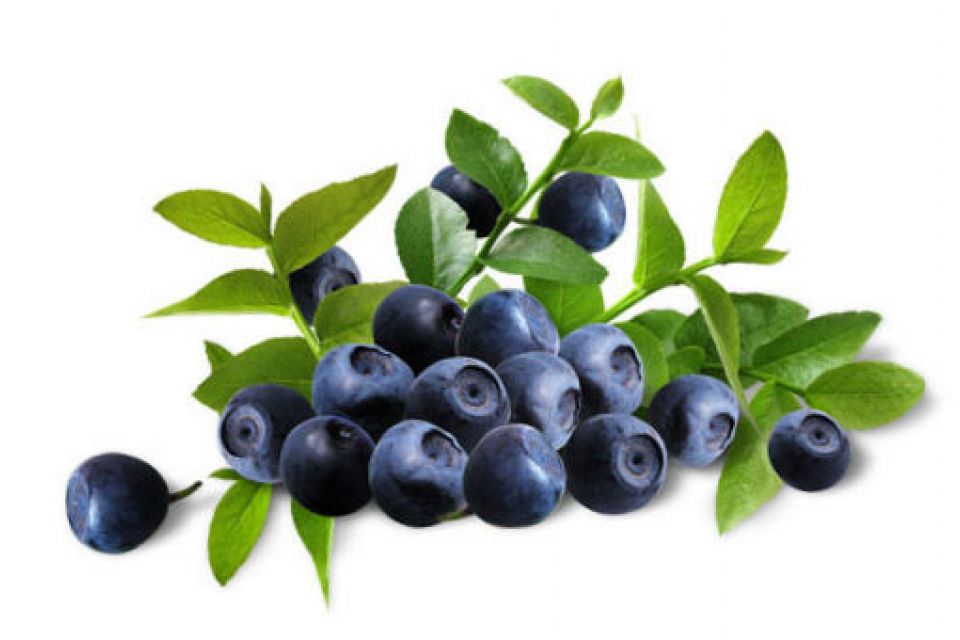
Widely enjoyed across Europe, bilberries are a popular ingredient in classic desserts such as pies, crêpes, tarts, and jams, and can also be eaten fresh or enjoyed as a juice. Beyond their rich flavor, bilberries are valued for their naturally occurring bioactive compounds. They are especially rich in tannins, flavonoids, and anthocyanosides—powerful plant pigments known for their antioxidant properties.
For centuries, both the fruit and leaves of the bilberry plant, whether fresh or dried, have been used in traditional herbal practices. Today, bilberry continues to attract scientific interest for its potential role in supporting overall health and wellness.
What are the Health Benefits of Bilberry?
Bilberry (Vaccinium myrtillus) has long been valued in medical and nutritional science for its anti-inflammatory, antioxidant, collagen-stabilizing, and astringent properties1. Its rise to prominence dates back to World War II, when anecdotal reports suggested that British Royal Air Force pilots who consumed bilberry experienced enhanced night vision2. Although controlled clinical studies have not conclusively confirmed bilberry’s ability to improve night vision , emerging research indicates that bilberry may support retinal health by slowing or inhibiting macular degeneration. These findings suggest potential benefits in the management of glaucoma, cataracts, and other retinal disorders3.
Beyond ocular health, bilberry has been explored for its broader therapeutic potential. Preliminary evidence and traditional use suggest possible applications in supporting metabolic health, cardiovascular function, and vascular integrity, including chronic venous insufficiency and varicose veins. Additional areas of interest include gastrointestinal health, urinary tract support, glycemic control, inflammatory joint conditions, skin health, and overall cellular protection. While further clinical research is warranted, bilberry remains a compelling botanical with a diverse range of potential health-supporting benefits.
Home Remedies Using Bilberry
Eye and Vision Problems
Bilberry (Vaccinium myrtillus) contains anthocyanosides, flavonoid compounds known for their antioxidant and vasoprotective effects. These compounds support retinal health by improving microcirculation and strengthening capillary walls, which are essential for maintaining normal visual function. Reduced blood flow and vascular fragility can contribute to retinal damage and progressive eye disorders. Anthocyanosides have been shown to enhance capillary integrity and connective tissue stability, supporting ocular tissues under conditions of vascular stress. Bilberry has therefore been studied for its supportive role in glaucoma, age-related macular degeneration, and other retinal conditions, particularly those associated with diabetes or hypertension. Traditional use and clinical research suggest that consuming 20–60 grams of fresh bilberries or one standardized bilberry extract daily may help support visual function and overall eye health6.
Cardiovascular Health
Bilberry is known for its anti-inflammatory, antioxidant, and vasoprotective activity. Studies show that flavonoids (anthocyanins) in Bilberry may help prevent the oxidation of bad "LDL" cholesterol, which is known to cause atherosclerosis (the build up of plaque in the arteries that can lead to heart attacks or stroke). It can also help improve overall cardiovascular health and Chronic Venous Insufficiency (CVI) by strengthening blood vessels and improving blood circulation in the body 4. According to an early study, taking one capsule of Bilberry extract containing about 173mg of anthocyanins daily for one month may help with CVI and other health problems associated with poor blood circulation. Therefore, a simple remedy for overall cardiovascular health is to take one capsule of Bilberry extract daily for about a month or incorporate 20-60 grams of fresh organic Bilberry fruit in the diet each day. Another option is to drink one cup of Bilberry tea each day. A tea can be made by boiling 1-2 tbsp of crushed Bilberries for 5-7 minutes and then straining the tea into a cup before drinking.
Menstrual Problems
The anti-inflammatory properties of Bilberry may help with irregular menstruation, symptoms of PMS and menstrual cramps. Therefore, eating fresh Bilberries and drinking one cup of Bilberry tea daily starting 3 days before the onset of your menstrual cycle until the end of the period (or about 8 days) has shown to help with cramps, nausea, headache, vomiting and other discomforts associated with menstruation.
Weight Loss
According to a recent study, eating 400 grams of fresh Bilberries daily for 5 weeks may help if you're struggling to lose weight 5. While 400 grams is a lot of berries, a more reasonable remedy is to incorporate 20-60 grams of Bilberry per day, along with a healthy diet and a good workout routine, in order to maintain a healthy weight.
High Blood Sugar Levels
Bilberry contains anthocyanins and tannins, naturally occurring plant compounds that have been studied for their potential role in supporting healthy blood sugar balance. Anthocyanins are powerful antioxidants that may help improve insulin sensitivity and reduce oxidative stress, while tannins may assist in slowing carbohydrate absorption. Some research suggests that diets rich in berries, whole grains, and healthy fats such as those found in fatty fish may contribute to better blood glucose control when combined with overall healthy lifestyle habits.
Animal studies, including research published in Thrombosis Research, have shown that bilberry extract may help reduce blood sugar levels 33%-55%; however, these findings cannot be directly translated to humans. While bilberries may offer supportive benefits for metabolic health, more human clinical studies are needed to fully understand their effects. Simply incorporating bilberries into a balanced diet, either as fresh fruit or in standardized supplement form with a minimum 25% of anthocyanin content, may help support overall metabolic health. Individuals with diabetes or blood sugar concerns should consult a healthcare professional before using bilberry supplements and should not replace prescribed treatments with herbal remedies.
Diarrhea and Stomach Problems
Bilberry contains natural compounds such as tannins and pectin that may help support digestive health during episodes of diarrhea and mild stomach upset. Tannins in Bilberries have an astringent effect that can help reduce intestinal inflammation, while pectin acts as a soluble fiber that absorbs water and forms a gel-like substance, adding bulk to stool. This gelatinous bulk may help normalize bowel movements and soothe intestinal contractions associated with diarrhea.
Traditionally, dried bilberries have been used as a natural remedy for diarrhea. A common approach is to consume approximately three tablespoons of dried bilberries once daily for up to three days. Some studies also suggest that bilberry preparations may help relieve symptoms such as bloating, flatulence, and general digestive discomfort. Bilberry leaves contain pectin as well and a tea made with its leaves may help; however, herbal teas made from the leaves should be used with caution and for short durations only.
If diarrhea or stomach discomfort persists for more than three days, or is accompanied by severe pain, fever, or dehydration, it is important to consult a healthcare professional to rule out any underlying medical conditions.
Sore Throat
Due to the anti-inflammatory activity of Bilberry, you can use it to soothe the discomfort caused by a sore throat. Simply chew on a few dried Bilberries as needed up to four times a day. Gargling with Bilberry tea three to four times daily can also help. To make Bilberry tea, boil 1-2 teaspoons of mashed Bilberries for about five minutes, let it cool to a comfortable temperature, and then use the tea for gargling.
What are the Side Effects of Bilberry?
The dried and fresh Bilberry fruit is considered to be safe when consumed in moderation. Also the consumption of Bilberry extract and Bilberry tea is safe as long as it is used as recommended on the particular package. However, the use of Bilberry in high doses for a long period of time (more than one year) is not recommended. The extract and tea are also not recommended for pregnant or breast feeding women as there is currently a lack of research studying its effects during pregnancy or in infants. If you are currently taking medication for high blood sugar levels, the use of Bilberry extract or tea should be monitored closely by a medical professional since it has anticoagulant activity and can result in hypoglycemia (extremely low glucose levels in the bloodstream). Due to its anticoagulant activity, Bilberry extract or tea should also not be used if you are scheduled for any surgery or if you are taking any blood clot related medication.
How and Where to Buy Bilberry?
Bilberry can be found in fresh or dried form in many grocery or natural food stores. The extract and tea is available in herbal food stores and online. When buying Bilberry extract, select a product which contains at least 25% of anthocyanins ingredient. A few recommendations are presented below.



Comments
There are currently no comments.Post Your Comments