In recent years, glucagon-like peptide-1 (GLP-1) has become one of the most talked-about topics in modern metabolic health. While pharmaceutical GLP-1 receptor agonists have gained widespread attention, your body already possesses a sophisticated, highly efficient system designed to synthesize and release GLP-1 on its own.
By understanding how this hormone functions and providing your body with targeted, nutrient-dense foods and bioactive compounds, you can naturally optimize your endogenous GLP-1 production.
What Is GLP-1?
Glucagon-like peptide-1 (GLP-1) is a vital peptide hormone produced in the gastrointestinal tract, specifically by specialized enteroendocrine cells known as intestinal L-cells. These cells are located predominantly in the lower portion of the small intestine (ileum) and throughout the colon.
When you consume food, nutrients interact directly with receptors on L-cells, signaling them to secrete GLP-1 into the bloodstream. Once released, GLP-1 carries out several essential functions across multiple organ systems:
- Glucose-Dependent Insulin Secretion: GLP-1 acts on pancreatic beta cells to stimulate insulin secretion when blood glucose levels are elevated. Crucially, this mechanism is glucose-dependent, meaning it reduces blood sugar without causing dangerous drops (hypoglycemia).
- Glucagon Suppression: It suppresses the release of glucagon—a hormone from the pancreas that signals the liver to release stored sugar into the bloodstream—thereby preventing unwanted blood glucose spikes.
- Delayed Gastric Emptying: GLP-1 slows down the rate at which food leaves your stomach. This gradual motility ensures a slow, steady absorption of nutrients into the bloodstream and prolongs physical fullness after a meal.
- Central Appetite Regulation: GLP-1 crosses the blood-brain barrier and binds to receptors in the hypothalamus, the brain's hunger-control center. This sends clear satiety signals, reducing overall appetite and dampening reward-driven food cravings.
Because native active GLP-1 has a brief lifespan in the bloodstream—rapidly degraded within minutes by an enzyme called dipeptidyl peptidase-IV (DPP-IV)—fostering a steady, natural stimulation of L-cells through diet is key to sustaining its health benefits.
5 Research-Backed Natural GLP-1 Boosters
1. Psyllium Husk, Oats, and Chicory Root (Soluble & Fermentable Fibre)
- Active Component: Viscous fermentable dietary fibers (β-Glucan and Inulin)
- How It Works: Soluble dietary fiber passes through the stomach and upper intestine without being digested, reaching the colon intact. There, beneficial gut bacteria ferment the fiber into Short-Chain Fatty Acids (SCFAs)—mainly acetate, propionate, and butyrate. These SCFAs then bind directly to specific free fatty acid receptors (FFAR2 and FFAR3) on intestinal L-cells. This interaction signals your gut to synthesize and release GLP-1 directly into the bloodstream. As active GLP-1 circulates, it slows gastric emptying to prevent rapid glucose absorption in the gut while prompting insulin release. Together, these actions blunt sharp blood sugar spikes and extend feelings of post-meal fullness.
- Research & Effectiveness: Clinical and laboratory studies show that dietary SCFA production significantly raises circulating GLP-1 levels, improves glucose tolerance, and enhances overall satiety. Research demonstrates that SCFA activation of FFAR2 is a primary pathway for nutrient-stimulated GLP-1 release.
- How to Use: Mix 1 tablespoon (5 to 10 grams) of unflavored psyllium husk or chicory root inulin into a large glass of warm water, or enjoy a daily bowl of whole-grain rolled oats, chia seeds, flaxseeds.
- Best Time: Consume 15 to 30 minutes before your primary meal to form a gel-like substance that slows gastric emptying and may stimulate the release of hormones from L-cells.
- Possible Side Effects: Mild abdominal gas, bloating, or loose stools if dosage is increased rapidly without adequate water intake.
2. Whey, Egg Whites & Lean Proteins (High-Quality Bioactive Proteins)
- Active Component: Hydrolyzed Peptides & Branched-Chain Amino Acids (BCAAs)
- How It Works: Short-chain peptide fragments in whey protein hydrolysate and egg white ovalbumin activate calcium-sensing receptors (CaSR) and peptide transporters on L-cells in the upper small intestine, triggering rapid GLP-1 secretion. In addition, these peptides exert a mild inhibitory effect on dipeptidyl peptidase-IV (DPP-IV)—the natural enzyme responsible for breaking down active GLP-1 in the bloodstream.
- Research & Effectiveness: Human clinical trials show that consuming a "protein preload" before a meal significantly stimulates early-phase GLP-1 release and blunts post-prandial blood sugar spikes. Research confirms that whey protein hydrolysates and lean protein sources (such as turkey, chicken breast, or fish) act as natural secretagogues for gut satiety peptides.
- How to Use: Blend 15 to 20 grams of unsweetened whey protein isolate or liquid egg white protein in water or a smoothie base. Alternatively, begin your meal by eating your lean protein portion first.
- Best Time: Consume as a "protein preload" 15 to 20 minutes before a carbohydrate-rich meal, or eat your fiber and lean protein portions before consuming high-carbohydrate foods to minimize glucose spikes.
- Possible Side Effects: Gastrointestinal discomfort in individuals with severe lactose intolerance or milk/egg protein allergies.
3. Berberine (Extract from Goldenseal & Barberry)
- Active Component: Isoquinoline Alkaloid (Berberine Chloride)
- How It Works: Berberine works through a powerful dual mechanism in your digestive tract: it engages bitter taste receptors (TAS2Rs, or type 2 taste receptors) expressed along your gut lining and activates AMPK (adenosine monophosphate-activated protein kinase), a key cellular energy regulator. Targeting these gut-based bitter taste receptors (TAS2Rs) acts as a specialized chemical sensor system—tricking your digestive tract into sensing complex plant compounds and sparking an immediate release of stored hormones. This dual action triggers intestinal L-cells to secrete stored GLP-1 directly into your bloodstream while favorably shifting your gut microbiota to support ongoing short-chain fatty acid (SCFA) production.
- Research & Effectiveness: Multiple clinical trials and pharmacological studies demonstrate that berberine effectively enhances GLP-1 secretion, lowers fasting blood glucose, and improves insulin sensitivity through direct interaction with gut-based taste receptor pathways.
- How to Use: Take 250 mg to 500 mg of standardized berberine or bioavailable berberine phytosome.
- Best Time: Consume 10 to 15 minutes before your two largest meals of the day (e.g., breakfast and dinner).
- Possible Side Effects: Abdominal cramping, constipation, or diarrhea at higher dosages. Consult a healthcare provider if taking glucose-lowering medications or drugs metabolized by CYP3A4 enzymes.
4. Golden Turmeric Extract (Curcumin)
- Active Component: Curcuminoids (Curcumin, Demethoxycurcumin)
- How It Works: Curcumin in Turmeric " modulates the microbiota-bile acid signaling axis and stimulates extracellular signal-regulated kinase (ERK) pathways in the gut mucosa. This signaling expands the active L-cell population in the intestinal epithelium and encourages steady, basal GLP-1 release while reducing low-grade gut inflammation.
- Research & Effectiveness: Long-term curcumin supplementation has been shown to improve metabolic markers and reduce prediabetes progression to Type 2 diabetes. Studies demonstrate that curcumin directly stimulates GLP-1 secretion in L-cell models through specific cellular signaling mechanisms.
- How to Use: Take 500 mg to 1,000 mg of standardized curcumin extract containing piperine (black pepper extract) or sunflower lecithin for improved bio-absorption.
- Best Time: Take daily with a meal containing healthy dietary fats (e.g., olive oil, avocado, or nuts).
- Possible Side Effects: Mild stomach upset or nausea at elevated doses; may exhibit mild blood-thinning properties at high supplemental concentrations.
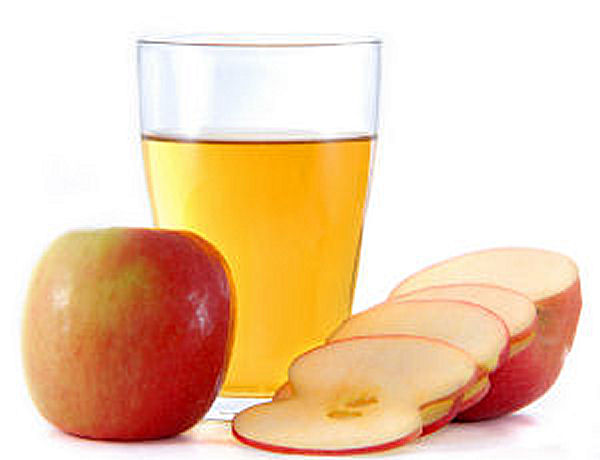
5. Raw Organic Apple Cider Vinegar (With "The Mother")
- Active Component: Acetic Acid & Fermentation Polyphenols
- How It Works: Acetic acid in Apple Cider Vinegar works via a metabolic mechanism that slows the activity of disaccharidase enzymes in the small intestine, preventing rapid carbohydrate breakdown. Concurrently, it delays gastric emptying—slowing the rate at which food leaves the stomach—which extends physical fullness and supports the natural secretion of satiety peptides like GLP-1 and PYY.
- Research & Effectiveness: Systematic reviews and clinical trials show that acetic acid intake reduces post-meal glycemic surges, improves insulin sensitivity, delays gastric emptying, and supports healthy body composition over time.
- How to Use: Dilute 1 tablespoon (15 mL) of raw, unfiltered organic apple cider vinegar in 8 to 10 ounces of water.
- Best Time: Drink 10 to 15 minutes prior to your highest-carbohydrate meal.
- Possible Side Effects: Heartburn or stomach discomfort if consumed undiluted. Always dilute with water and consider using a straw to protect tooth enamel from acid exposure.
Other Natural Supportive Foods
Healthy Fats (Olive Oil, Avocados, & Fatty Fish)
Monounsaturated and omega-3 fatty acids extend the duration of digestion by slowing gastric emptying. Research demonstrates that this gradual transit rate promotes continuous, sustained satiety signals and prevents sharp post-meal blood sugar surges.
How to Use & Dosage: Incorporate 1 to 2 tablespoons of extra-virgin olive oil , half a medium avocado, or a 4 to 6-ounce serving of wild fatty fish (like salmon) directly into your main meals 2 to 3 times per week.Fermented Foods (Yogurt, Kefir, Sauerkraut, & Kimchi)
These probiotic-rich foods help cultivate a diverse, balanced gut microbiome. A healthy gut environment enhances the production of short-chain fatty acids (SCFAs), directly optimizing metabolic efficiency and native gut-hormone responsiveness.
How to Use & Dosage: Enjoy 1/2 to 1 cup of plain, unsweetened yogurt or kefir, or 1 to 2 tablespoons of raw unpasteurized sauerkraut or kimchi daily, ideally alongside or right before your main lunch or dinner.Conclusion: Supporting Healthy Metabolism, Weight Loss, & Blood Sugar Balance
Targeting GLP-1 production through natural dietary mechanisms offers a holistic, sustainable approach to long-term metabolic health. Rather than forcing a single isolated physiological response, these nutrient-dense foods and bioactive compounds work in harmony with your digestive system's natural signaling mechanisms:
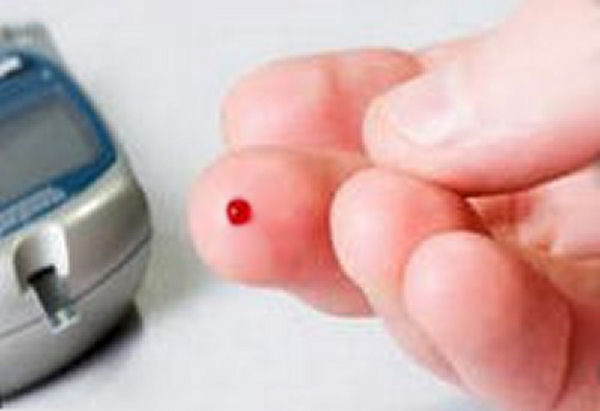
- Blunting Sugar Spikes & Balancing Blood Glucose: By delaying gastric emptying and slowing the breakdown of complex carbohydrates, pre-meal strategies like apple cider vinegar, soluble fiber, and bioactive protein preloads prevent sharp post-meal blood sugar surges.
- Curbing Cravings & Regulating Appetite: Continual, nutrient-driven stimulation of intestinal L-cells sends strong, persistent satiety signals directly to the brain's appetite control centers, dampening sudden hunger pangs and sugar cravings.
- Supporting Weight Loss & Metabolic Rate: Prolonged physical fullness, combined with improved insulin sensitivity and regulated calorie intake, creates an ideal internal environment for sustainable weight management and fat loss.
- Enhancing Overall Metabolic Health: Beyond glucose control, these natural options nurture beneficial gut microbiota, suppress low-grade gut inflammation, and activate essential cellular metabolic pathways like AMPK, establishing a firm foundation for lifelong wellness.
By regularly featuring a diverse selection of these research-backed foods in your diet, you can empower your gut to release native GLP-1 naturally—helping you maintain balanced blood sugar, control cravings, and achieve a healthy, vibrant metabolism.

Comments
There are currently no comments.Post Your Comments