
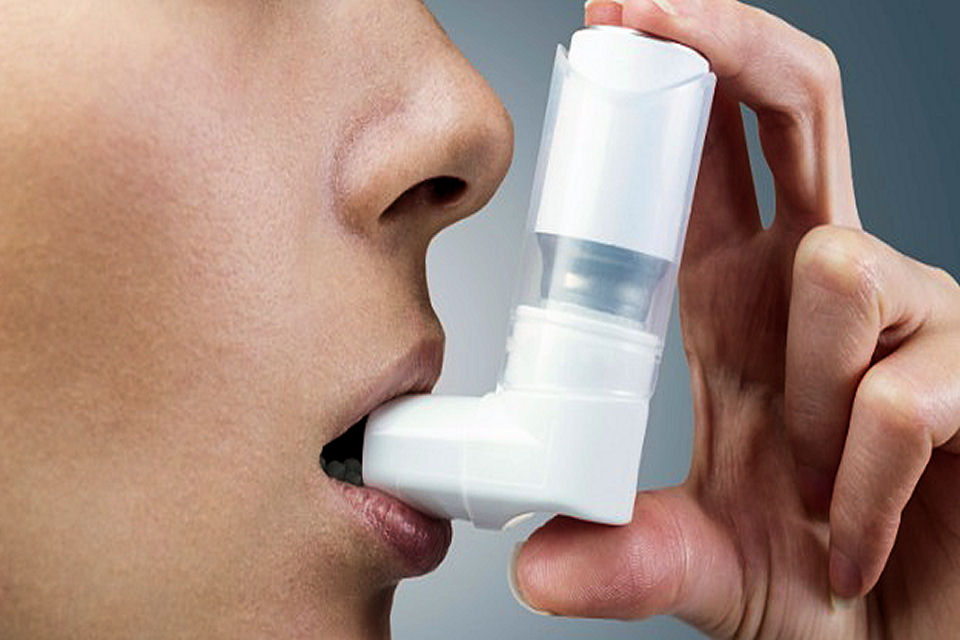
Signs and Symptoms of Asthma
Asthma is a chronic inflammatory condition of the airways that disrupts normal airflow in and out of the lungs. Common symptoms include coughing, wheezing, shortness of breath, and a feeling of tightness in the chest. In children, asthma tends to affect boys more than girls, while in adults, it is more common in women than in men.
Causes of Asthma
While there is no single known cause of asthma, several factors are believed to contribute to its development and trigger symptoms. These include:
- Genetics: A family history of asthma increases the likelihood of developing the condition.
- Environmental factors: Exposure to allergens (such as pollen, dust mites, mold, and pet dander), air pollution, tobacco smoke, and cold air can trigger asthma symptoms.
- Occupational exposure: Jobs involving frequent contact with dust, chemicals, or fumes—such as in woodworking, farming, painting, or landscaping—may increase the risk of occupational asthma.
Other triggers include physical activity (especially long-distance running or cycling), respiratory infections, emotional stress, and changes in weather. Many people report worse symptoms at night or in the early morning.
Home Remedies and Natural Support for Asthma
While natural remedies may provide additional relief or support, they should never replace prescribed asthma medications. Always consult a healthcare professional before trying any natural treatment.
Turmeric as an Asthma Supportive Remedy
Turmeric contains curcumin, which has anti-inflammatory properties. Some studies suggest it may help reduce airway inflammation and relieve symptoms of asthma. One traditional remedy is to mix 1 teaspoon of turmeric powder into a glass of warm milk and drink this 1–2 times daily. However, turmeric should be used as a complementary aid, not a primary treatment.
Honey and Ginger Tea
Honey may help soothe the throat and reduce irritation, while ginger has mild anti-inflammatory effects. A tea made with 1 teaspoon of chopped ginger boiled in 1 cup of water and sweetened with honey may help with Asthma symptoms and throat irritation. Drink 1–2 times daily. This is supportive but not a substitute for asthma medications.
Black Seed Oil
Black seed oil (Nigella sativa) has shown bronchodilatory effects in some studies. Inhaling steam from boiling water mixed with a few drops of black seed oil may help temporarily relieve nasal congestion and asthma symptoms. Always check with your doctor before use.
Evening Primrose Oil
Evening primrose oil contains gamma-linolenic acid (GLA), which is known for its anti-inflammatory effects. Tea made from dried evening primrose flowers has shown to help relieve discomfort caused by Asthma. Simply take one capsule of evening primrose oil daily or follow the instructions on the package.
Licorice Root Tea
Licorice root has been traditionally used to soothe the respiratory tract. It may have mild anti-inflammatory and soothing effects. A tea can be made by steeping 1–2 inches of dried licorice root in boiling water for 10 minutes. However, long-term use of licorice tea is not recommended as prolonged use of licorice root can cause high blood pressure. Therefore, consult your doctor before taking it.
Important: None of the remedies above are substitutes for asthma medications such as bronchodilators or corticosteroids. Always consult your doctor before using any natural supplement or herb, especially if you are on medication or have other health conditions.
References
- Turmeric / Curcumin – Clinical Trials
- Curcuma longa L. ameliorates asthma control in children and adolescents: A randomized, double-blind, controlled trial – A 6‑month RCT in children/adolescents showed reduced night‑time awakenings, decreased need for rescue β‑agonists, and improved asthma control with turmeric versus placebo.
- Oral curcumin supplementation in patients with atopic asthma – A pilot randomized, double‑blind, placebo‑controlled study examined effects of 1000 mg curcumin twice daily in adults with atopic asthma.
- Intranasal curcumin and its evaluation in murine model of asthma – Animal study showing intranasal curcumin in mice reduced bronchoconstriction and inflammation more effectively than standard treatment.
- Randomized, placebo-controlled, double‑blind pilot trial to evaluate the effect of curcumin in moderate to severe asthmatics – A phase 2 human trial showing curcumin add‑on therapy improved lung function.
- Evaluation of oral nano‑curcumin efficacy on respiratory function and quality of life in patients with bronchial non‑atopic asthma – A double‑blind RCT of nano‑curcumin (40 mg TID) in adults found no significant additive benefit over placebo in asthma control.
- Nigella sativa (Black Seed) – Clinical Evidence
- Medicinal benefits of Nigella sativa in bronchial asthma: A literature review – Reviews 19 preclinical and 7 clinical studies indicating potential bronchodilatory, anti‑inflammatory, and immunomodulatory effects of black seed oil; however, larger well‑designed trials are needed.



Leave a Reply