

Signs and Symptoms of Menstrual Cramps
Menstrual cramps (also known as dysmenorrhea or period cramps) are pains that occur in the abdominal and pelvic areas as a result of a woman’s menstrual period. The pain can vary significantly from woman to woman, with some cramps being relatively mild to others which are extremely severe.
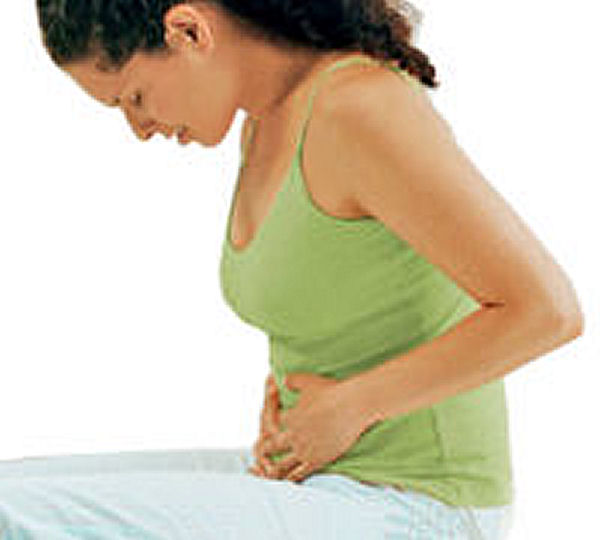
Mild menstrual cramps are often barely noticeable, and usually only last for a few hours. In such instances, the main symptom is usually just a sense of bloating or heaviness in the stomach area. Severe menstrual cramps, however, usually result in significant throbbing pain in the lower abdominal area (and occasionally the lower back) which can interfere with a woman’s everday activities. In these cases, cramping can usually last for one or two days.
Other symptoms that sometimes accompany menstrual cramps include nausea and vomiting, sweating, dizziness, and loose stools.
Causes of Menstrual Cramps
During menstruation the body releases a hormone called prostaglandins, which causes the uterus to contract in order to help the uterus shed its lining. Researchers believe that this hormone is one of the main causes of menstrual cramps.
For reasons that are still unknown, younger women tend to experience more severe cramps than older women. Additionally, severe cramping tends to decrease in intensity with age, and often disappear after pregnancy.
Other factors that are known to lead to menstrual cramps include stress, depression, anxiety, and smoking. Therefore, reducing or eliminating these risk factors may help to reduce the severity of cramping during menstruation.
Home Remedies and Natural Treatments for Menstrual Cramps
Heating Pads
Many women have found that a heating pad placed on your lower back or abdomen helps to ease the pain and discomfort of menstrual cramps. If you don’t have a heating pad, one can be easily made by filling a sock with flaxseeds or uncooked rice and heating it in the microwave for 1 to 2 minutes.
Chamomile
Chamomile is widely used to treat gynecologic complaints such as menstrual cramps and discomfort related to premenstrual syndrome (PMS). Add 2 teaspoons of dried Chamomile flowers to a cup of boiling water and let it steep for at least 5 minutes. If you are using a package of Chamomile tea bags, then follow the directions as stated on the box. Honey or sugar can be added for taste. A good preventive measure is to start drinking Chamomile tea a couple of days before you are expecting your period, and then drink at least 2 cups everyday during your period. It also feels great if you use your hot mug as a hot compress for your lower abdomen while you are drinking it.
Vitamins and Minerals
Foods and supplements that are rich in B-vitamins, calcium, magnesium, and zinc have been found to reduce the pain, bloating and other symptoms of menstrual cramps.
In particular, calcium is known to help maintain muscle tone as well as prevent cramps and pain. For most women, a daily intake of 800 mg of calcium is recommended, which can be found in 3 cups of milk. Increasing magnesium is also recommended, since it helps the body absorb calcium. Good sources of magnesium include beans, whole wheat, tofu, salmon, shrimp, nuts, and vegetables.
Regular Exercise
Exercise is considered to be a natural way to reduce muscle tension and elevate one’s mood. Therefore, maintaining a regular exercise program, including something as simple as walking for 20 minutes each day, can help reduce the severity of menstrual cramps.
Ginger Root Tea
Ginger root has been found to help relieve the pain associated with menstrual cramps. Therefore, a simple soothing herbal tea can made from Ginger as follows:
- Slice a handful of ginger root
- Let the pieces simmer in boiling water for 15 minutes
- Using a strainer, pour the tea into a drinking cup or mug
- Add some honey as a natural sweetener if desired

Leave a Reply