
Signs and Symptoms of Migraines
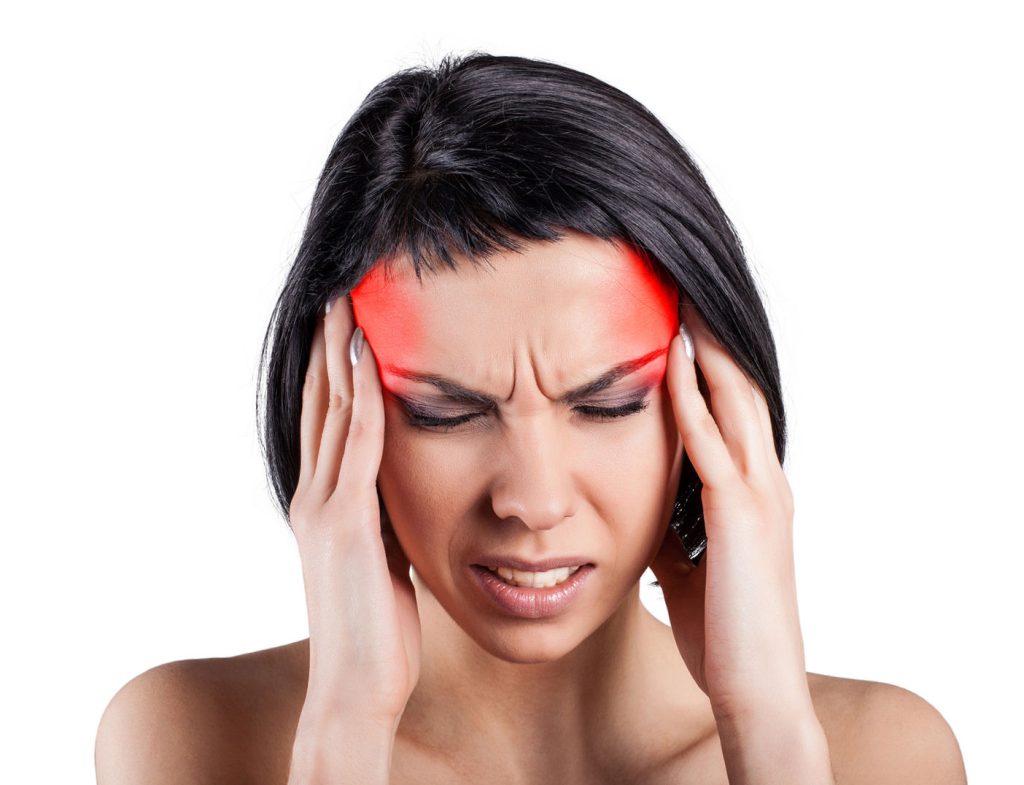
A migraine is a severe pounding or pulsing headache that commonly starts in the forehead and moves toward the side of the head and around the eyes. It is a form of vascular headache which affects about 28 million Americans, with women being affected more often than men in the general population. Migraine headaches are caused by a combination of the enlargement of blood vessels and the release of chemicals from nerve fibers that coil around the blood vessels. During a migraine attack, the temporal artery, which is found just under the skin of the temples, enlarges and causes nerves to stretch around the temporal artery. The tension of nerves then triggers the release of chemicals that cause inflammation, pain and even more enlargement of the artery. The increasing enlargement of the artery intensifies the pain.
Common symptoms of a migraine attack are:
- Moderate to severe, throbbing head pain, most commonly on one side of the head.
- Head pain that worsens with physical activity.
- Sensitivity to light and/or sound.
- Nausea or vomiting.
Untreated attacks most commonly last from four to 72 hours, and may persist for weeks. If your headache is accompanied by convulsions, fever, severe mental confusion, or any type of acute pain around your face or ears, you should contact your doctor immediately.
Another form of headaches are due to muscle contractions. See our headache remedies page for more information on the similarities and differences between these tension headaches and migraine headaches.
Causes of Migraines
There are myriad of causes that can trigger migraines. Common causes include:
- Stress
- Sleep disorders (or too little/too much sleep)
- Fatigue
- Caffeine
- Smoking
- High or low blood pressure
- Birth control pills
- Artificial sweeteners
- Fasting for an extended period of time
- Heredity
- High salt consumption
- Strong perfumes
Home Remedies and Natural Treatments for Migraines
Ice Packs
Compresses of ice can help to constrict blood vessels, returning them to normal size. Therefore, an effective home remedy for a migraine headache is to take a soft, cold ice pack and wrap it in a towel. Then hold it against your temples and forehead, alternating positions every few seconds. Repeat this for up to three minutes to alleviate migraine pain.
Henna
The flowers of henna have been found to be very effective at curing headaches and migraines. A simple home remedy is to dip henna flowers in vinegar and then rub them against the forehead for quick pain relief.
Chamomile Tea
When you feel a migraine coming on, Chamomile is a wonderful preventive measure to limit the severity of the pain. Simply take a cup of chamomile tea when you start noticing migraine symptoms.
Niacin
Niacin has been shown to be helpful in relieving migraine pain. Valuable sources of this vitamin are yeast, whole wheat, green leafy vegetables, tomatoes, nuts, sunflower seeds, liver and fish. Therefore, vitamin tablets containing at least 100mg of niacin can be taken daily for treating migraines.
Ginkgo Biloba
A simple remedy for migraine pain is to take 120mg of Ginkgo Biloba extract daily before any meal. Ginkgo Biloba has been found to help increase blood circulation and relieve migraine pain.
Vegetable Juices
Researchers believe that low levels of magnesium are a major cause of migraines, since magnesium is considered to be effective at relaxing the body. Therefore, regular consumption of magnesium supplements may help alleviate migraine pain. Fruits, nuts, and dark green, leafy vegetables are a great natural source of magnesium, so a cocktail of fruit and vegetable juices is very beneficial for alleviating migraines.
Carrot juice combined with spinach, beet and cucumber is great for migraine pain relief. Simply use a juicer to combine 300ml of carrot juice with spinach leaves. Then add up to 100ml each of beet and cucumber juices to the mix.
Fresh grape juice has also been found to be effective for migraines. Simply grind fresh, ripe grapes and drink the juice directly without adding any water.
Discover Migraine Triggers with a Diet Log
Many people find that certain foods always seem to trigger a migraine. Unfortunately, these trigger foods often vary from person to person so there is no easy list that applies to everyone. If you know which foods trigger your headaches, then a simple solution is to avoid them in your daily diet. However, if you still don’t know which foods may trigger your migraines, then it is a good idea to start logging what you eat and also when your migraines occur. This will allow you to figure out if there are items in your diet (such as certain ingredients) that often coincide with a migraine attack. You can then try to avoid these suspected ingredients to see if they reduce the frequency of your headaches.



Leave a Reply